MCP Server Capabilities for LinkedIn Marketing API Mapped to Creator Agency Campaign Types
Agents can run LinkedIn reporting and drafts, but humans must approve creative and spend.
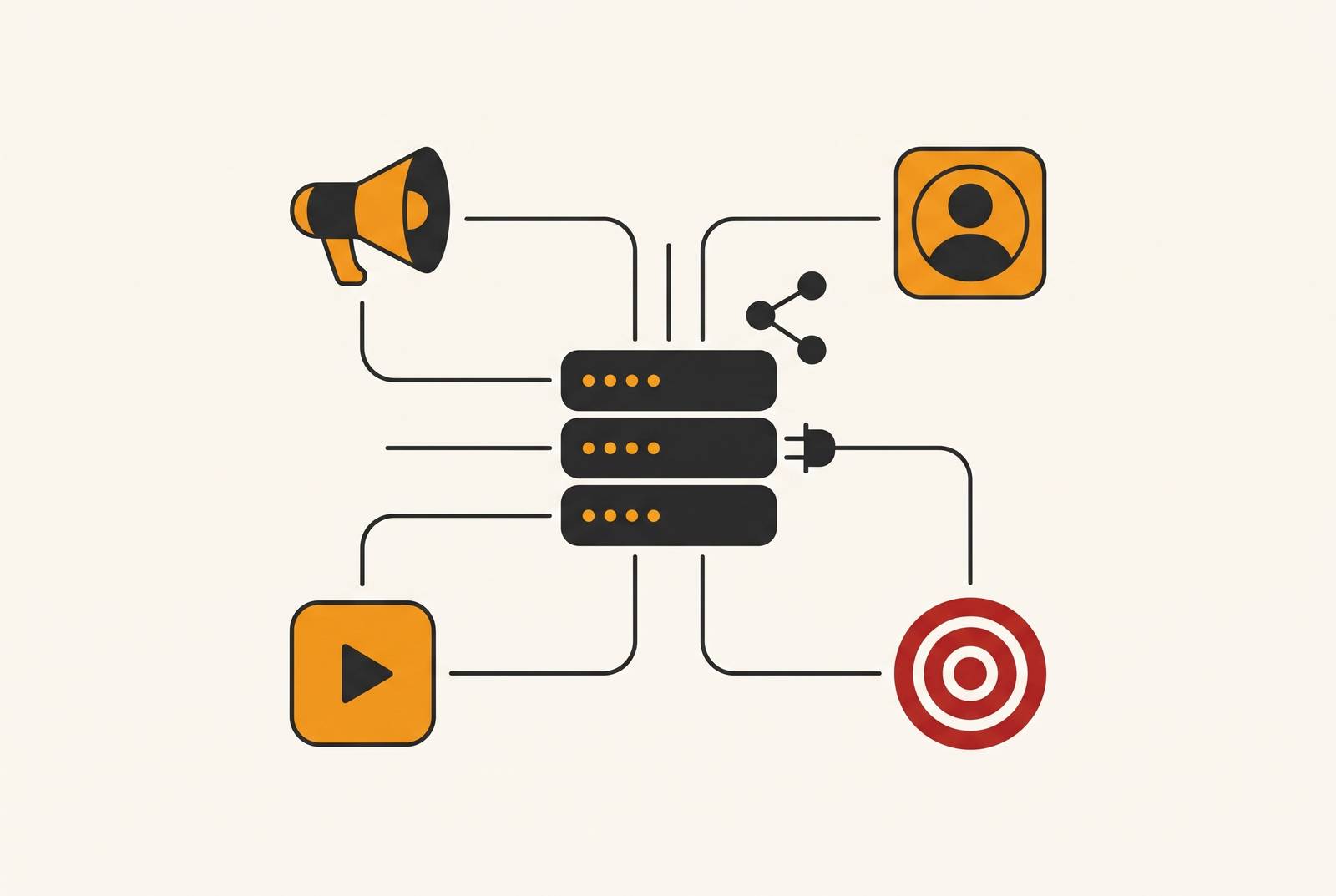
LinkedIn Ads MCP servers let AI assistants call LinkedIn Marketing API tools to read performance, build campaigns, and edit settings, but LinkedIn does not offer an official MCP server. The options fall into two families, self-hosted open-source servers and hosted vendors. Mapping their tools to creator agency campaigns shows that reporting and draft construction are broadly automatable, while creative approval and spend decisions still need defined human controls.
The read tool layer: what AI agents can observe across a creator agency's LinkedIn account structure
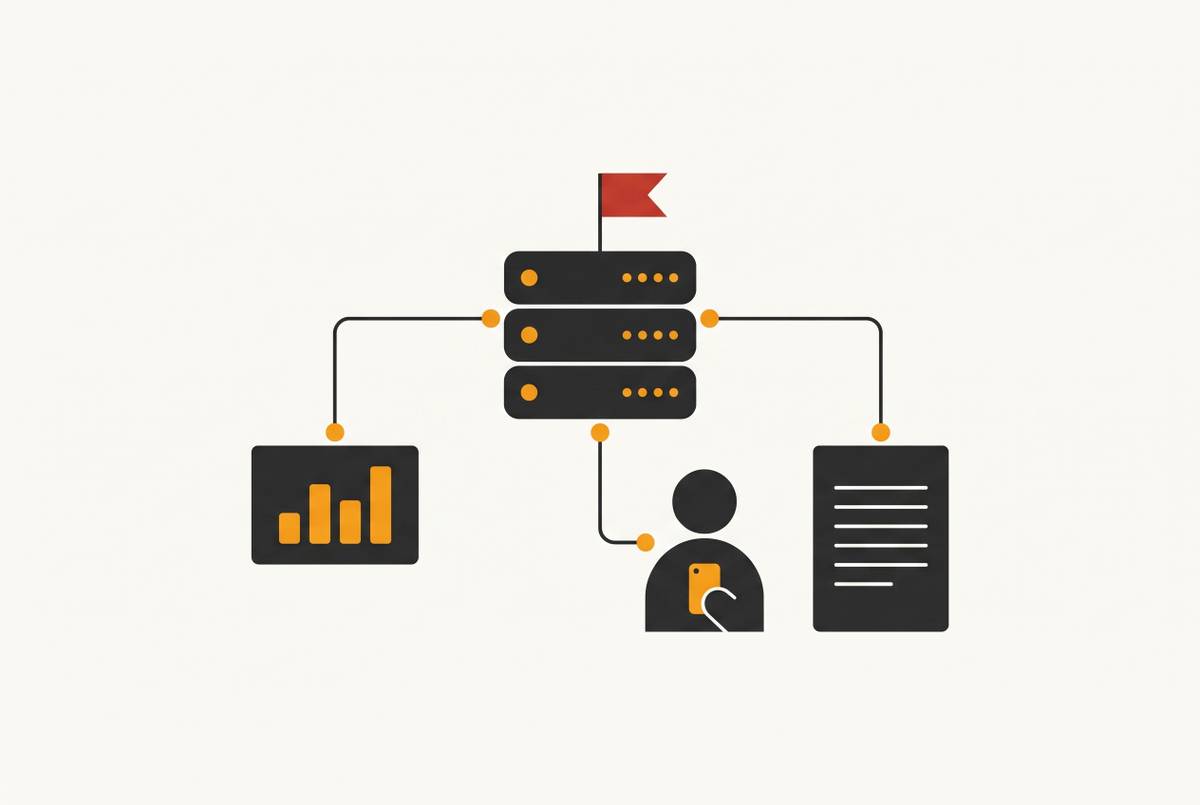
The read layer reaches well beyond headline campaign metrics. It covers account structure, creatives, delivery, audience composition, and performance, giving an agent enough information to replace routine reporting and account audits that otherwise require manual work in Campaign Manager. Coverage determines what can be delegated. An agent that can see results but cannot inspect delivery status, for example, has less basis for explaining why an ad is not serving.
The get-mcp-ads/linkedin-ads-mcp-server provides 18 read tools spanning account discovery, health checks, campaign groups, campaigns, creatives, and the media library. Its analytics include statistics reports, professional demographics, and revenue attribution, and its targeting lookup and offline query validation let an agent look into the data in more detail. Its delivery status tool explains why ads are or are not serving, from the account down to the creative. That replaces a specific troubleshooting chore. Instead of navigating several screens, an agency can have an agent inspect the account hierarchy and surface the reason.
ZLeventer’s linkedin-campaign-manager-mcp has 19 read-only tools built for B2B paid social teams. Its coverage includes budget pacing, period comparisons, conversions, Lead Gen Forms, audiences, and video analytics. Read-only is a useful boundary here. A team delegating reporting rather than campaign changes gets a toolset shaped around that job, without needing write access.
Kiin Intelligence broadens the hosted option with 95 tools across reads and writes. Its format-specific reads distinguish Thought Leader Ads by author and hook, Conversation Ads by opens, and Lead Gen Forms by submissions. Kiin also has demographic waste reporting and an audience benchmark panel based on over a thousand advertiser accounts and a large amount of tracked spend, so an agency can see how its own results compare.
How do you connect an AI agent to LinkedIn Ads to build and edit campaigns?
Access comes before campaign automation, and it is a real bottleneck. The Marketing API requires a LinkedIn developer app tied to a Company Page and approval of the Advertising API product. LinkedIn publishes no review timeline. An MCP server exposes API actions as named, callable tools, but it does not remove that access requirement or make the connection plug-and-play.
Once access is in place, the choice turns on execution and control. The get-mcp-ads server exposes 15 opt-in write tools, including campaign group and campaign creation in DRAFT status, text ad creation, and media ad creation. The media ad tool creates the dark post sponsored by the ad, authored by the Company Page. Other tools duplicate ads and update names, status, budgets, bids, schedules, and targeting. Media uploads use three stages, namely initialize, upload part, and finalize.
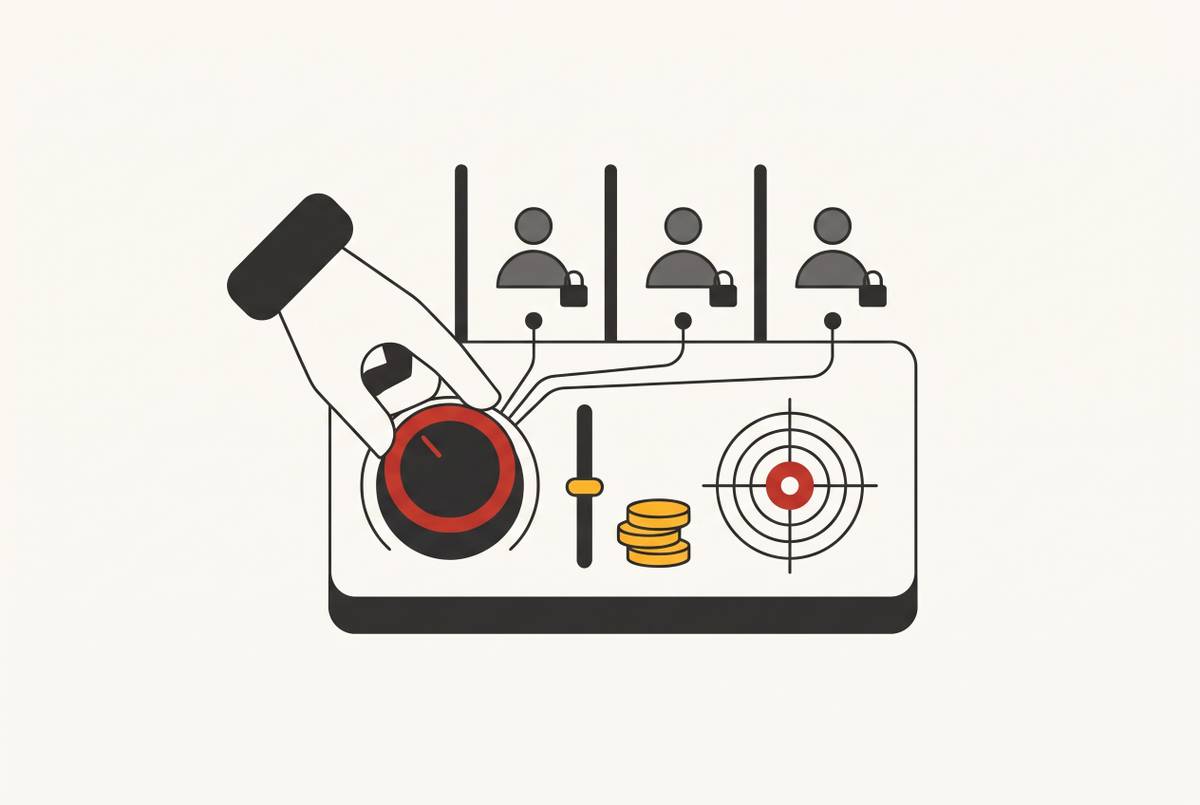
Writes require more than an agent’s request. The server needs an authenticated token with the rw_ads scope, and LINKEDIN_ADS_ENABLE_WRITES defaults to false until explicitly set to true. Account permissions impose a separate gate. A VIEWER cannot write even with that scope, because writes require ACCOUNT_BILLING_ADMIN or ACCOUNT_MANAGER on the specific account.
The hosted implementations described here use preview-then-confirm before committing changes. That is deliberate separation between preparing an action and authorizing it. An agent can build a draft with the campaign settings while leaving launch approval to a separate step. For buyers, the useful comparison is therefore not just tool count, but read coverage, supported writes, account permissions, and where confirmation sits before a change reaches the ad account.
Mapping the read/write tool categories to the five campaign types creator agencies actually run
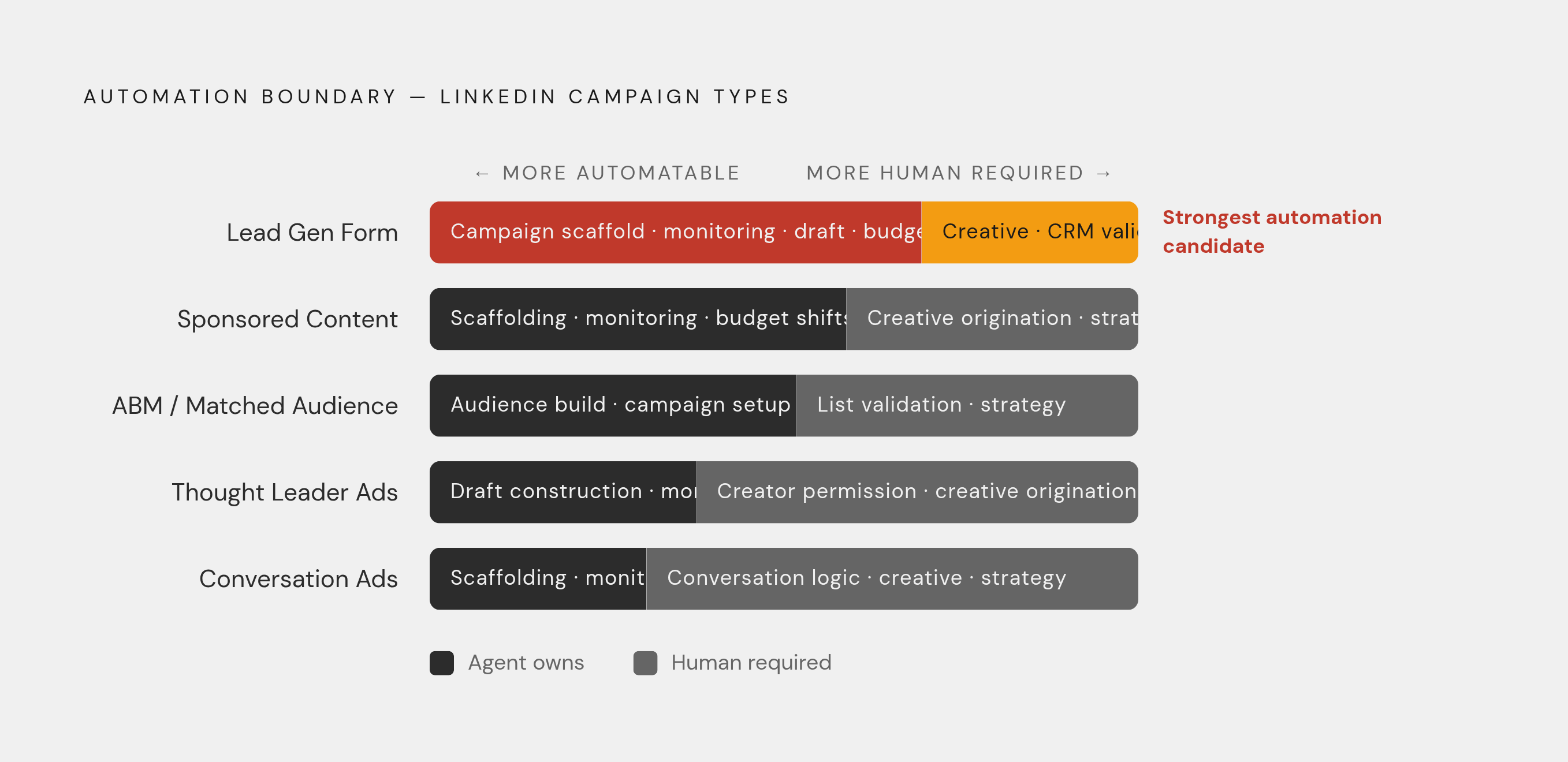
Sponsored Content campaigns, including single image, carousel, and video, have a broad automation path. Read tools expose creative performance, delivery status, and demographic breakdowns, while write tools cover draft campaign construction, media upload, media ad creation, and changes to targeting, budgets, and bids. The missing input is the creative itself. Assets must arrive from an external source, such as a brand library, AI image or video generation, or human-produced creator content. An agent can own campaign scaffolding, configuration, and monitoring, but creative origination sits outside the LinkedIn Marketing API and asset approval remains a human checkpoint.
Lead Gen Form campaigns are among the strongest candidates for end-to-end orchestration. Synter MCP and Kiin provide dedicated tools for form creation, performance reporting, and lead download, including submissions, completion rate, and CPL by variant. An agent can set up tests of question sets and CTA copy, monitor results, and use write tools to shift budget toward the best-performing form. The inputs and outputs are structured. The agent can own that operational loop, while human approval still governs strategy and changes beyond pre-authorized budget limits.
Thought Leader Ads have a different dependency. Someone must identify the creator post to promote, secure creator approval, and make sure the post exists on the creator’s profile. Performance data cannot supply those permissions. Kiin’s reads by author and hook can help evaluate results, and write tools can support spend configuration and budget management once the content is available.
Conversation Ads introduce complexity through branching message trees and multiple CTAs. Constructing that logic from natural-language prompts is possible in principle, but that is not the same as an established, unattended launch workflow. The direct-message context makes review especially important. Read tools can track opens, while a person needs to check the proposed message branches carefully before launch. The defensible division is agent-run performance monitoring and potential assistance with construction, with a human responsible for approving the conversation logic.
ABM and Matched Audience campaigns are substantially automatable once the source data is ready. Synter supports contact list uploads, website retargeting pixel audiences, company list targeting, and Lookalike Audience generation from a matched audience. Demographic reads let an agent flag spend reaching job functions or seniorities outside the target, while Kiin’s integrations with HubSpot, Salesforce, Pipedrive, and Attio connect reporting to influenced pipeline. That refers to deals at companies the ads reached before the deal, without establishing that advertising caused it. The agent can own audience construction and performance monitoring, but people must supply and validate the lists, CRM data, and retargeting inputs on which those actions depend.
Competitive intelligence tools that give creator agencies market context before and during campaigns
The LinkedIn Ad Library is a free place to start researching competitors, though where an ad runs limits the data it shows. Every ad exposes a preview, format, advertiser name, payer name, and restricted status. EU-targeted ads also show dates run, estimated total impressions with country breakdown, and main targeting parameters. No free tool provides exact competitor ad spend globally, so automated collection cannot turn the library into a worldwide spend benchmark.
The library’s one-competitor-at-a-time search also creates repetitive work that MCP-connected tools can remove. Apify’s LinkedIn Ad Library Scraper is callable through its MCP server configuration from Claude Code, supporting automated, scheduled creative sweeps. Adyntel takes an API-first approach, returning ad counts and creatives for one domain on one platform per call across Meta, Google, or LinkedIn. Each platform needs its own call. Its connections to Clay, an MCP server, Slack, n8n, and CRMs including HubSpot allow those reads to fit into a broader agency workflow.
Scheduled checks can find net-new competitor ads, saving an analyst from having to repeat weekly searches. That gives campaign teams fresh creative context before launch and during delivery. The EU limitation still governs what those checks can report. Competitor activity is observable more widely than competitor targeting and impression data.
Performance monitoring and reporting workflows that agents can run without human initiation
LinkedIn delivery status tools and cross-platform performance monitoring MCPs can support workflows that surface anomalies, explain delivery causes, and flag actions for review. Budget pacing and period comparisons add context to those signals. An agent can therefore report a change in performance and inspect why an ad is not serving without waiting for someone to open Campaign Manager.
Optimization is a separate job from monitoring. A read tool can expose weak performance or demographic waste, but the finding alone does not decide whether the response should be a budget change, a creative swap, or a targeting adjustment. That choice depends on campaign strategy. A human can make it, or a write-capable agent can act through an approval workflow with a preview-first guardrail.
This distinction gives a plain answer to how automated the workflow really is. Reading, recurring checks, and surfacing findings can be autonomous once the workflow is established. To change the campaign, an agent needs write access and approval to make the change. A reporting-only server should not be judged as an incomplete optimizer when its purpose is to keep those responsibilities separate.
Where the multi-platform picture matters for creator agencies running campaigns beyond LinkedIn
LinkedIn sits in an uneven MCP landscape. Several major advertising platforms have official write-capable servers, while LinkedIn needs a third-party server to connect an agent to its tools. That changes the integration choice for agencies operating across channels. Even with a shared AI interface, each platform has its own tools, permissions, and safeguards for approval.
An agent can pull LinkedIn performance together with Google Ads and Meta results, compare CPA, CTR, and conversion volume, and produce a channel allocation recommendation in one conversational workflow. Platform-switching is no longer necessary for that analysis. The recommendation remains distinct from permission to execute it, because a comparative read does not itself authorize spending changes.
Adyntel’s separate platform endpoints let an agency collect competitor creatives and ad counts within the same broader workflow, extending market context beyond LinkedIn. That complements account performance data without replacing it. One describes what competitors are running, while the other measures how the agency’s campaigns perform.
The governance gap: where autonomous write execution still needs a human in the approval chain
The strongest case for MCP campaign management is the removal of repetitive reading, auditing, and draft construction from the workload of people involved in every spending decision. Human approval then has a narrower, clearer purpose. It governs the decisions that tools cannot settle simply by retrieving data or filling campaign parameters.
For creator agencies, three approval points stand out. Initial strategy and brief approval define what the campaign is for and what success means. Creative origination and approval control what gets published, especially when Thought Leader Ads involve individual creators. Budget changes above a threshold not pre-authorized in the workflow require another decision.
Security needs the same practical treatment as permissions. In early 2026, a significant number of CVEs targeted MCP servers, clients, and infrastructure, making security a real deployment consideration. Write-capable servers hold credentials that give access to live ad accounts. Proper secret management, scope minimization, and audit logging are therefore part of operating them as production systems.
The practical next step is a workflow audit. An agency can map its current Campaign Manager process against the available read and write tools, delegate the covered reporting and draft-building steps, and retain explicit approval where strategy, creative rights, or budget authority enters the process. Agents handle the repeatable work, and people retain the decisions for which the agency remains accountable.