TikTok Agency vs In-House TikTok Ads Team
Choosing between agencies and in-house teams depends entirely on your creative production capacity.
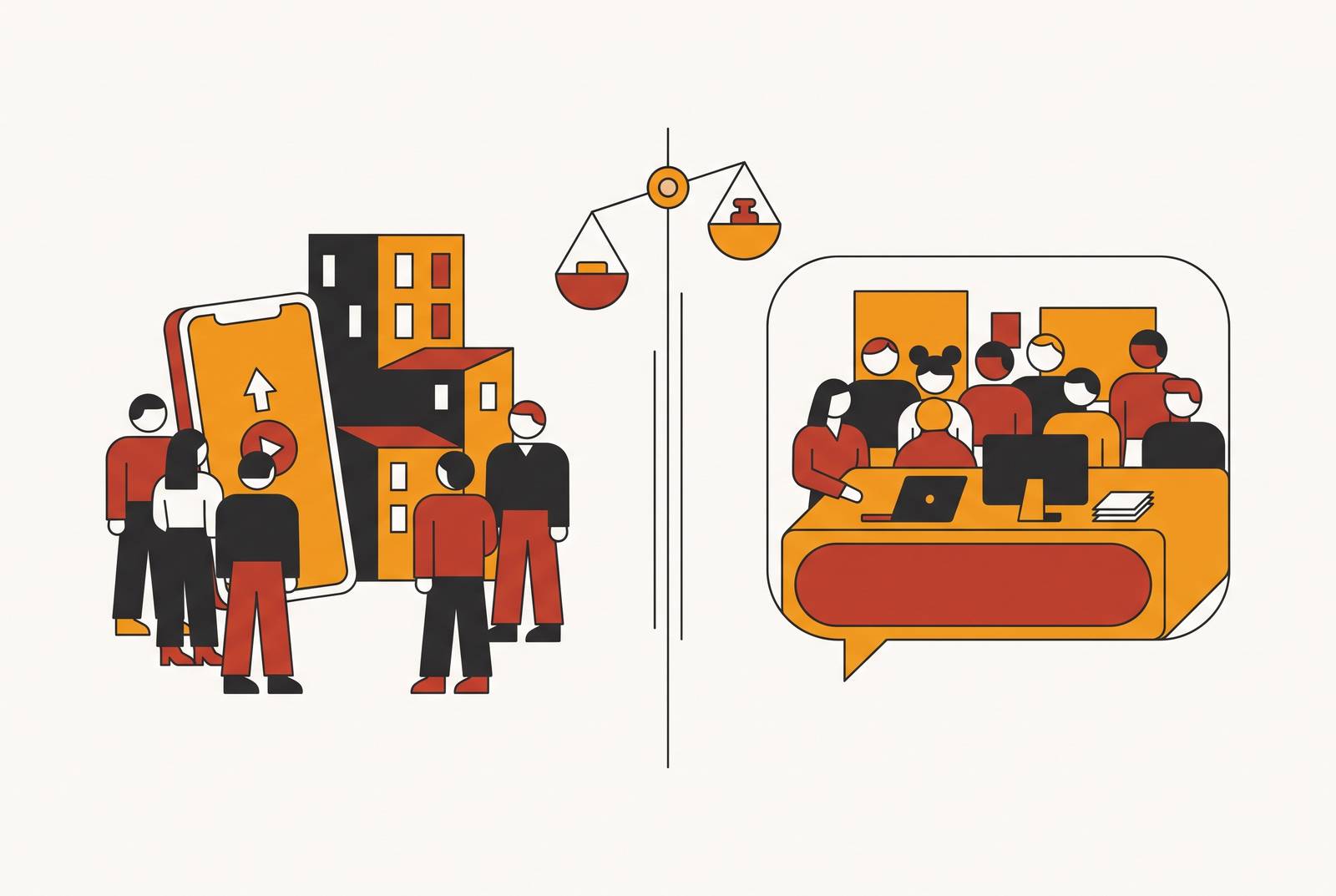
Most teams enter TikTok advertising looking for the right targeting settings. The actual constraint is different, and it arrives in days rather than months. TikTok consumes creative faster than any other paid social channel, and the agency-versus-in-house question only makes sense after you understand how much material that consumption demands.
Why TikTok's creative refresh cycle is the real constraint this decision turns on
TikTok advertising is a production problem before it is a media-buying problem. A creative that performs well today can fatigue within three to five days, sometimes sooner, and the algorithm does not wait for a brand to catch up. The volume of new creative variations a team must sustain is categorically higher than on Meta or Google, where a handful of proven ads can run for weeks. Most brands assume the challenge is targeting or bidding. The bottleneck is creative throughput, and it is structural, not a matter of effort. Every advantage and disadvantage of the agency and in-house models flows directly from how well each one handles this production constraint. A team that cannot turn around fresh creative inside that window will lose efficiency no matter how sophisticated its bidding strategy is.
What agencies actually sell — and the specific gap they fill
An agency's primary value on TikTok is not media-buying sophistication. It is pre-built creative production capacity and existing creator relationships that take months to assemble internally. Elite agencies in 2026 maintain 48-to-72-hour in-house creative turnaround capability, which matches the operational standard the compressed refresh cycle demands on a daily basis. That speed is the product. A good agency is running within weeks because the creators and the playbook already exist, while an in-house program takes longer to ramp.
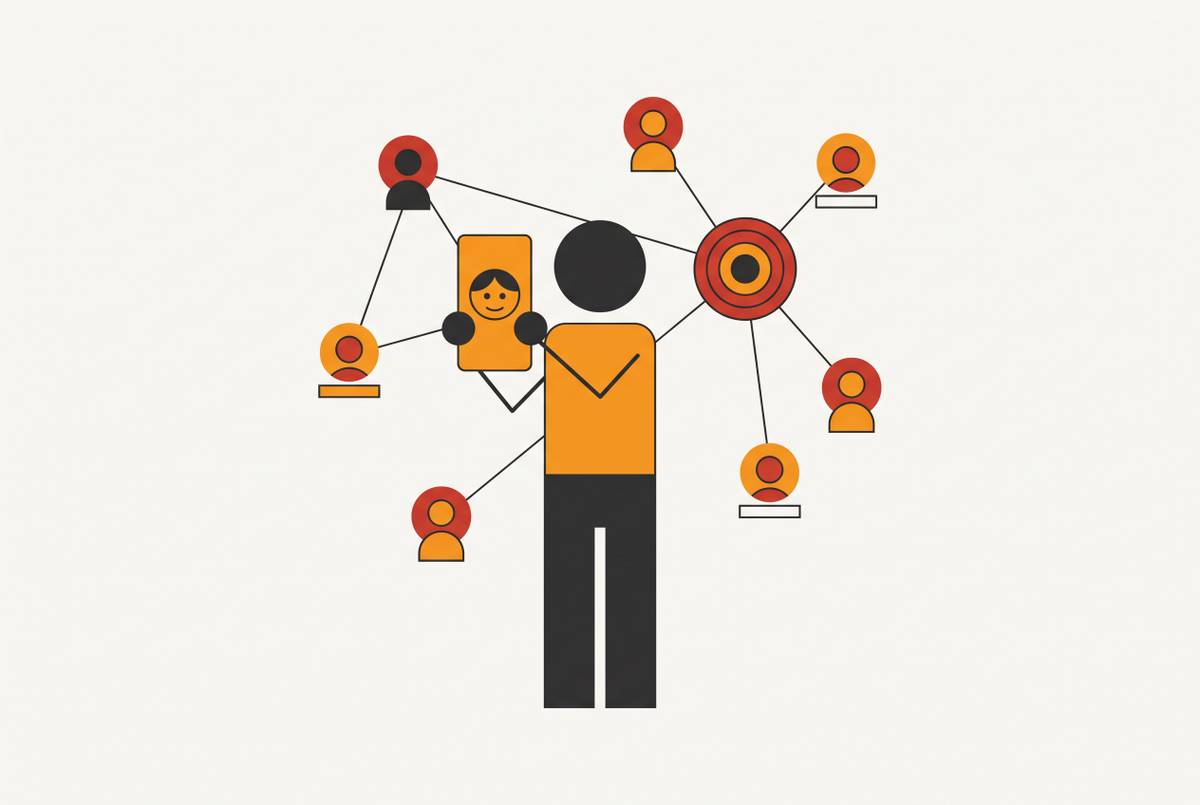
Creator network access is the more durable edge. Sourcing, vetting, contracting, and managing multiple creator relationships simultaneously is slow to build from scratch, and micro-influencers in the 10K to 100K follower range often deliver the best balance of reach, engagement, and cost-efficiency. An agency with a pre-vetted network in that tier provides immediate access a brand cannot replicate quickly. The strongest objection is the agency's focus on reported metrics, often GMV, rather than business profit. Agency reporting centers on ad-attributed revenue, but an internal dashboard centers on net margin. These are different views of the same spend. The answer is not to reject agencies but to keep the commercial definition of success inside: CAC ceiling, pipeline quality, and margin threshold get set by the brand, and the agency is held to that standard.
What in-house teams genuinely own that agencies cannot replicate
In-house teams hold assets an agency relationship cannot transfer: deep product knowledge, first-party data, and compounding institutional judgment. No one knows the ICP, the product priorities, the sales motion, and the revenue targets the way internal marketers do, and those inputs determine what TikTok needs to accomplish. Data ownership is the structural advantage. Ad account history, pixel data, first-party audiences, and creative performance learnings belong to the business, not to a vendor who may not be the partner next year. Creator relationships built through an agency may leave with the agency if the relationship ends. Relationships built internally become a proprietary asset.
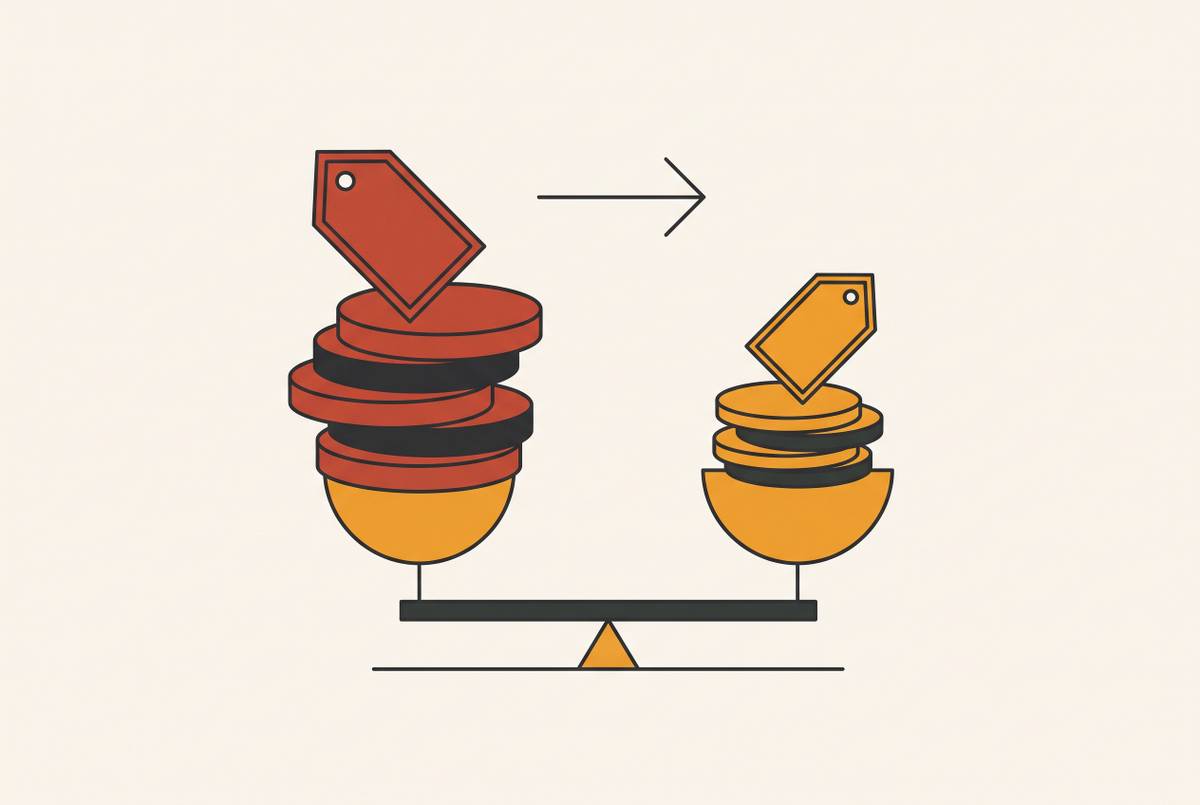
Cost follows the same logic over time. Agency fees plus a GMV percentage scale with revenue, but in-house marginal costs flatten once the system and tooling are in place. The open objection remains creative volume: every month of running the program internally builds judgment, but it also exposes exactly how much material TikTok demands. This is the objection the next section addresses directly.
How AI tools are changing what an in-house team can realistically produce
TikTok's own tools have removed the production-cost moat agencies held. Symphony Creative Studio is now free to all TikTok for Business accounts, but AI video generation needs Symphony credits, a plan-based weekly allocation tied to ad spend. At TikTok World on May 13, 2026, the company launched the TikTok Ads Model Context Protocol, which connects AI agents directly to the TikTok Ads platform so they can plan, launch, and optimize campaigns without manual operation. TikTok also introduced Ads Skills, building blocks developers use to build their own AI tools on top of existing infrastructure. The TikTok Agentic Hub followed, a marketplace of first- and third-party AI Skills for creating, managing, analyzing, and optimizing TikTok ad campaigns.
Third-party agents close much of the remaining gap. They review ad accounts hourly to detect fatigue, pause underperforming creatives, generate new briefs from winning formats, and handle Spark Ads autonomously. This is precisely what end-to-end AI ad platforms like Adside address: it combines AI-driven creative automation, competitor ad tracking, and multi-channel campaign management in one interface, though TikTok's three-to-five-day refresh window remains uniquely compressed even for AI-assisted workflows. The caveat is important. AI-generated video is faster to produce, not automatically more effective, and Symphony does not guarantee creative-market fit. Early operator results do not show generated creative uniformly outperforming hand-crafted work. The new human edge sits in creative strategy and brand judgment, not execution mechanics. AI handles volume. Humans handle taste.
Diagnosing the constraint before choosing a model
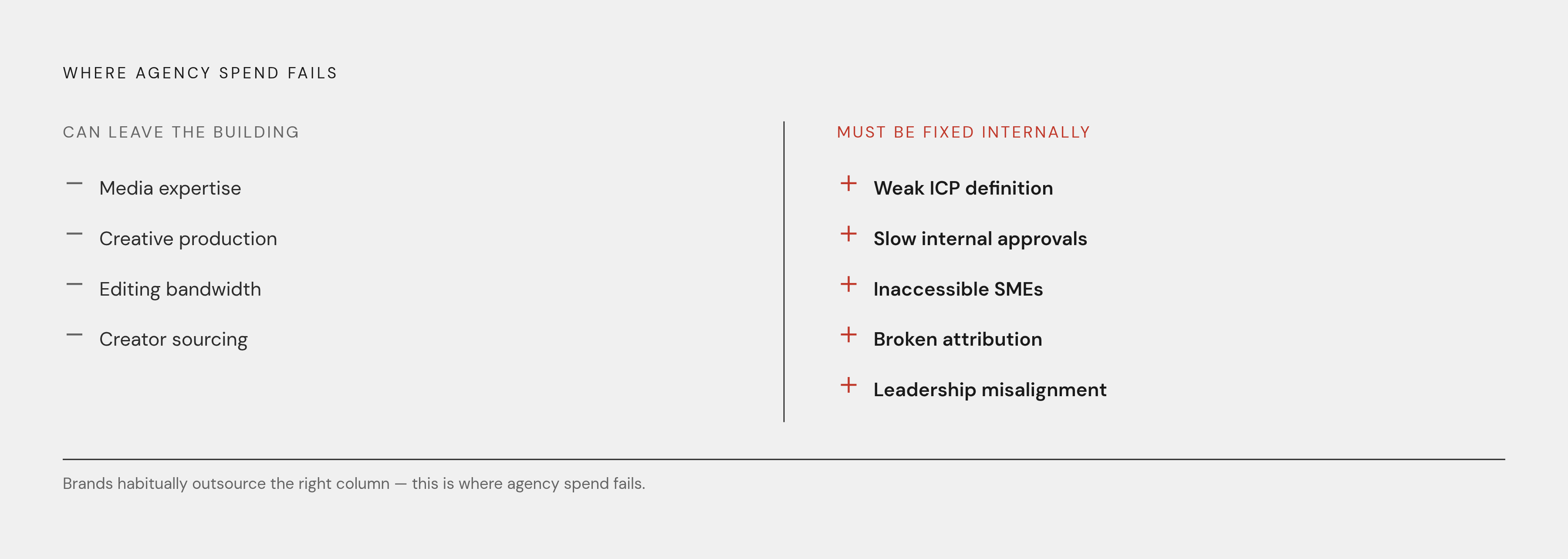
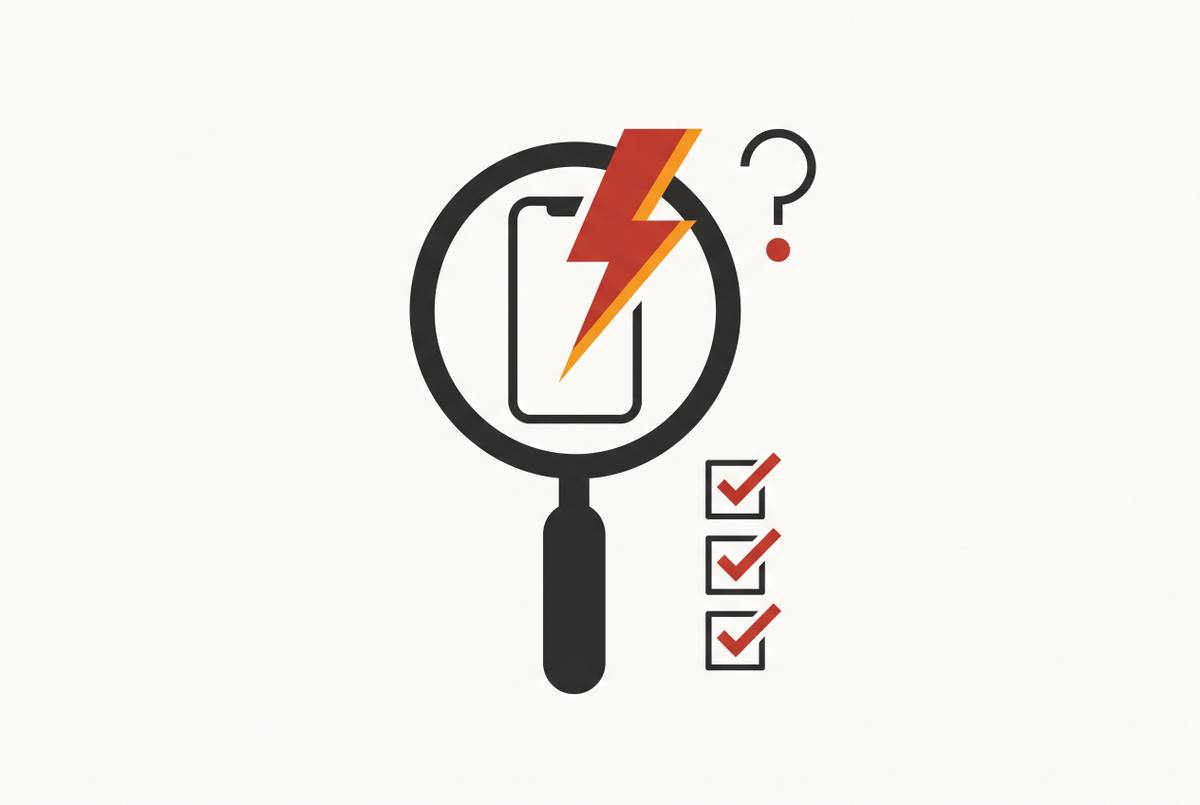
The agency-versus-in-house choice should turn on which specific operational constraint is limiting the program, not on a general preference for control or cost savings. Some constraints can leave the building: media expertise, creative production capacity, editing bandwidth, and creator sourcing. Others cannot. Weak ICP definition, slow internal approvals, inaccessible subject-matter experts, broken attribution infrastructure, and leadership disagreement about TikTok's role must be fixed internally before an agency adds value. A company that cannot give its own team access to product experts will have the same problem after hiring an agency, because an external team still needs source material and internal context to produce useful creative.
Four questions cut through the decision. Does someone on the team have real time to own this daily? If not, lean agency or use a platform that cuts the manual load enough for a part-timer to run it. Does the team have the tooling to run creative testing and attribution at volume? Without software, in-house stalls regardless of headcount. How fast does the program need results? Agency if GMV is needed this quarter with no ramp time. In-house if you are building a durable channel over two to three quarters. What is the margin tolerance? An agency retainer plus GMV percentage must fit unit economics. If margins are tight, the in-house route protects them. The expensive hiring mistake to avoid is hiring a generalist when the real issue is inconsistent creative output and no operating rhythm between organic content, creators, and paid. A single hire rarely covers media buying, short-form production, analytics, and creative strategy simultaneously.
When the agency model earns its fee — and what to watch
Agencies earn their fee when a brand needs creative velocity or creator access it cannot build fast enough internally. The agency value is highest when TikTok expertise does not exist in-house, when creative production bandwidth is the binding constraint, or when the program must be live in weeks rather than quarters. When brands spend at meaningful scale, they also get access to TikTok Marketing Partner infrastructure. Certified agencies get beta features before general availability, direct TikTok support, and Creative Exchange vetting. These advantages are structural, not replicable by a lean in-house team. Power Digital ranked at the top of Clutch's TikTok Advertising category in early 2026, and another agency suits brands where the issue is inconsistent creative output and weak social instincts.
Agencies also carry format expertise that takes hands-on time to develop: knowing when Spark Ads, In-Feed, TopView, or Branded Hashtag Challenges are the right vehicle. The red flags to watch in discovery calls are practical. Watch for vague responses about who will manage the account day-to-day, no direct experience in the brand's vertical, an inability to share recent case study data with specific performance metrics, and pressure to sign long-term contracts before seeing initial creative work. Strategic ownership and commercial accountability stay internal regardless of who executes. The brand defines what a qualified lead or profitable acquisition looks like, and the agency is accountable to that standard, not its own reported metrics.
When building in-house is the right long-term bet
In-house is the right model when the team already has the capability, or when the program is large and stable enough that the compounding value of internal expertise outweighs the slower ramp. It makes sense when paid social expertise and short-form production already exist internally, so TikTok can be absorbed into an existing operation. The cost calculus inverts at scale. Once the system and tooling are in place, marginal cost per creative flattens while agency fees plus GMV percentages continue scaling with revenue. Brand intimacy compounds. Internal marketers who run TikTok long enough develop judgment about which creator types, offer structures, and brief formats work for this brand, and that judgment is not transferable from an agency. In-house dashboards center on net profit and answer which creators drive the most profitable sales, a view that is structurally harder to get from agency reporting centered on GMV.
AI-native tools have fundamentally shifted this equation. If you combine ChatGPT-style creative assistants, audience-targeting automation, and native Slack integrations, a lean in-house team can sustain creative velocity that previously required an agency retainer or a dedicated production hire. The in-house model is now viable for brands without specialist headcount. This is the bridge to the next question, because most brands do not fit cleanly into either camp.
The hybrid model — and its hidden cost
A hybrid model is often the right operational answer, but only if the split follows capability rather than a desire to split costs, because the hidden cost frequently exceeds either pure model. Many brands expect hybrid to save money versus a full agency. What often happens is that an in-house marketing manager salary plus an agency retainer totals more than a pure agency model at equivalent output. The savings require genuine capability on the internal side, not just oversight. The hybrid that works keeps strategy and media account ownership internal while creative production or specialist execution goes to an agency or specialist. NoGood's model illustrates this: the agency runs TikTok testing and paid execution while the internal team keeps tighter control of Instagram, lifecycle, or retention channels.
The third option most brands miss is running the program in-house on a platform that gives agency-level scale without the agency fee. Adside fits this hybrid use case directly: market research, competitor ad tracking, AI-generated briefs, audience targeting, copy variants, and auto-resized creatives across channels including TikTok, operated by the internal team without stitching together separate spy tools, analytics dashboards, and creative suites. If you want to move faster than a pure build allows while keeping data and account ownership internal, Adside's fully managed service option gives you expert execution within the same platform. Diagnose the split by the constraint framework: outsource the capability that cannot be built quickly enough internally, and keep everything that compounds in value over time: strategy, data, commercial standards, and brand judgment.
Matching the model to the stage — a decision map
The right model follows from a brand's current stage, not from preference. Early-stage or TikTok-new brands should almost always start with an agency. The creative playbook, creator network, and platform fluency do not yet exist internally, and the ramp cost of building them competes with time-to-market. Growth-stage brands with existing paid social operations fit the hybrid model: keep media strategy, account ownership, and data internal while outsourcing creative production or creator sourcing until internal capacity exists to absorb it. Scale-stage brands with established programs find that in-house becomes the financially and strategically superior model. The marginal cost of internal creative flattens, the compounded brand judgment is irreplaceable, and data ownership becomes a real moat.
Two things should never be outsourced at any stage: the commercial definition of success, meaning CAC target, margin floor, and pipeline quality standard, and ownership of the ad account and first-party data. AI tools shift the thresholds at every stage. A lean in-house team with the right platform can now sustain production volume that previously required an agency, so the point at which in-house becomes viable arrives earlier than the traditional cost model suggested. The final diagnostic is short. If the constraint is creative volume or creator access and the timeline is short, an agency or managed service solves it fastest. If the constraint is internal approval speed, weak positioning, or broken attribution, no external partner fixes it. Those must be resolved before any model works.